Tunisia Travel Tips
Helpful Thoughts For Your Trip

After spending time moving from Tunis to the Sahara and back to the coast, a few practical lessons stood out. Some things that don’t always make it into guidebooks, others that do. Hopefully these tips can make your trip smoother, cheaper, and far less stressful.
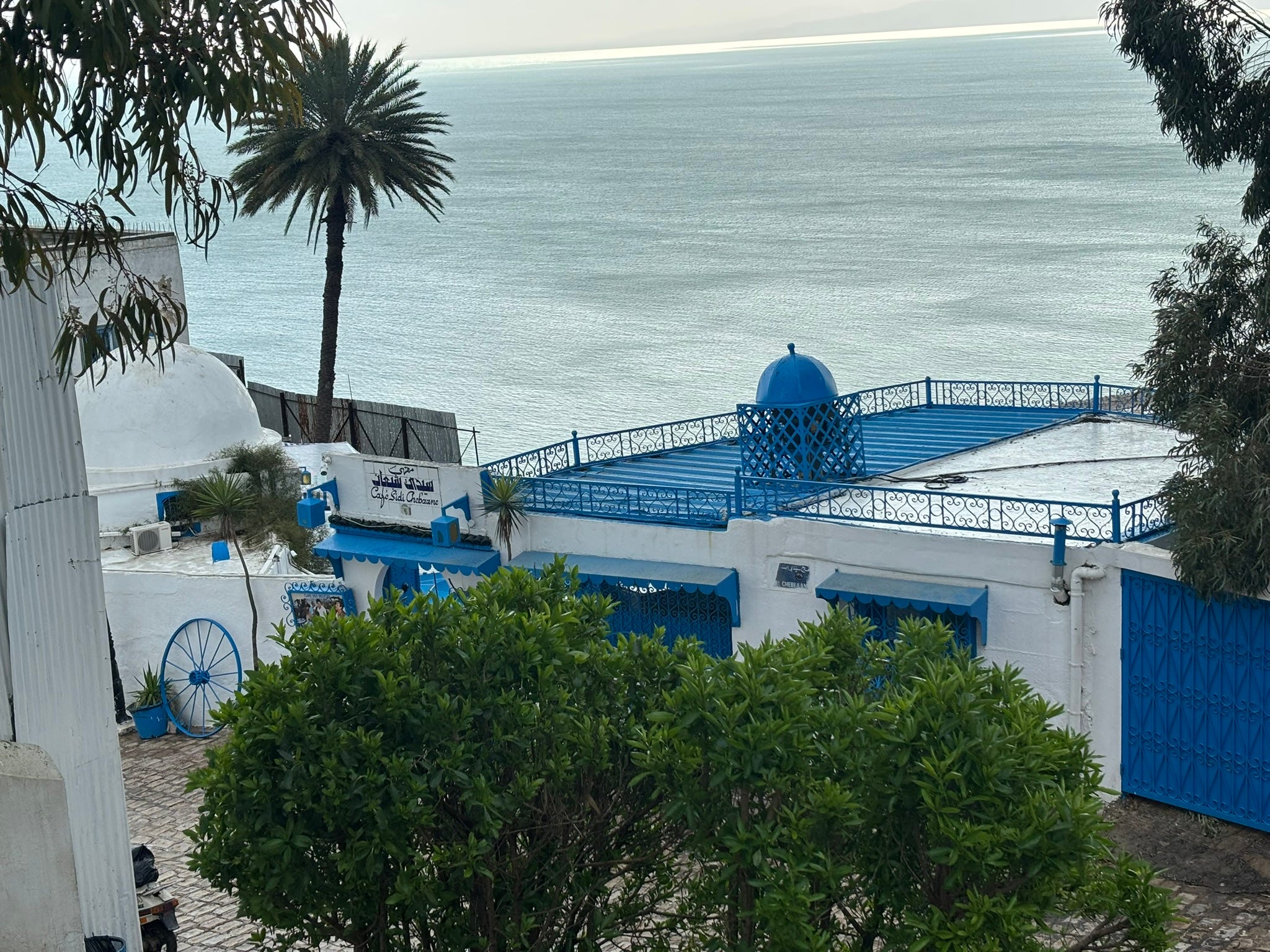
View From Sidi Bou Said
Arrival & Immigration
Immigration took us about 30 minutes to clear. The lines were long and the process felt a bit slow, but it does move. By the time we made it through, our luggage was already waiting at baggage claim.
One important note: check your bags before leaving the baggage area. One of ours was damaged, and once you exit, you cannot go back in. The baggage service desk is inside the secure area, which makes sense operationally—but only helps if you catch issues immediately.
Getting from the Airport
This was probably the most stressful part of our trip.
The taxis outside the airport can be aggressive and chaotic, especially if you’re tired from travel. In my case, the taxi driver attempted to increase the fare, even after we had agreed on a price at the airport. After a tense experience, I downloaded inDrive, and it completely changed things for the rest of the trip.
You set the price upfront (or accept the suggested price)
No negotiation needed
Still very affordable (even if slightly higher than local rates)
Cash only, so plan accordingly
They will still pick you up at a location, like Uber
It removed the friction and language barrier instantly.
Cell Service & Connectivity
We used an eSIM through Kolet, which worked flawlessly.

We purchased 10GB for ~ $20 (15 days)
Easy to add data from within the app
Easy to install, with video instructions if needed
Strong coverage throughout the country
My wife tethered off my phone the entire trip
Combined with hotel Wi-Fi, it was more than enough
This is one of the easiest wins for international travel.
Cash & Currency
Tunisia operates on a closed currency system.
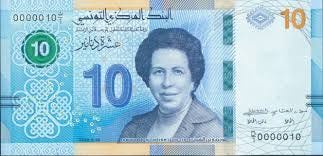
You cannot take Tunisian dinar out of the country
Withdraw or exchange only what you plan to use, while some places will accept a card, cash is king in the medinas. So definitely exchange some currency if you plan to shop and want the best deal
Get small bills. You’ll need them for tips, taxis, and small purchases. Even with the inDrive app operating on cash, the drivers often did not have change for large bills during our trip
The current 2026 exchange rate is low to mid .30s to the dollar. In other words, for a paper note I divide by 3 (so the 10 note above would be worth 3 - 3.50 depending on the exact rate, but hovering around 3.30)
Interestingly, US dollars were sometimes accepted, even though that’s technically not permitted. Don’t rely on it, but it does happen in tourist-heavy areas.
Entry Requirements
For US travelers:
Passport only (with six months left on the passport, and two pages empty)
No visa required for short stays
Simple and straightforward.
Additional Tips That Matter
1. Group Travel Works Extremely Well
If you’re doing a history-heavy trip (like we did), a structured group tour (especially with a company like Gate 1) adds huge value. You get access, context, and logistics handled without losing the experience.
2. Dress in Layers
Tunisia surprised us. Mornings (especially in the desert and mountains) can be cold, while afternoons warm up quickly. So be prepared to layer clothing.
3. Footwear Matters
You’ll walk on:
Uneven Roman roads
Sand
Stone
Sloped medinas
Bring comfortable, stable shoes.
4. Hydration is Key
Even when it doesn’t feel hot, the dry climate can sneak up on you. Always carry water. On group tours, water is often provided by the tour group. All of the hotels we stayed at offered free water.
5. Tipping Culture
Small tips are appreciated:
Drivers
Guides
Hotel staff
Having small dinar bills or coins makes this easy.
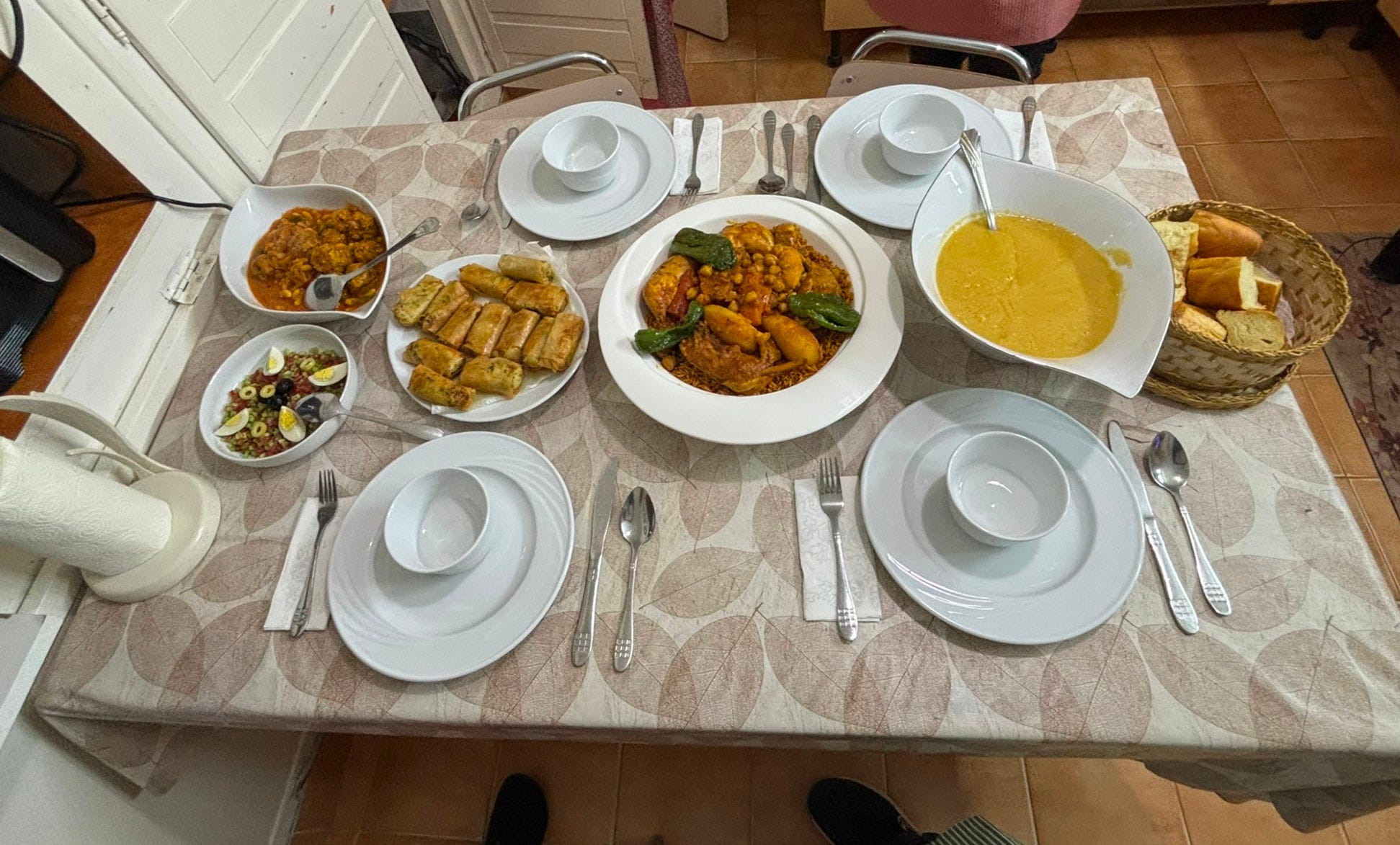
Meal We Prepared As A Home-Cooked Dinner
6. Food is Safe (and Good)
We had no issues with food during the trip. We only drank bottled water, although we brushed our teeth in tap water. Tunisian cuisine is approachable, flavorful, and varied. If anything, you’ll eat a lot of:
Chicken
Couscous
Bread
Harissa
7. Language
Arabic and French dominate, but:
Many people in tourism speak basic English, which is a very common third language. In cases where we ventured out and encountered non-English speakers, our eSIM and translation app was very useful.
Apps like inDrive help eliminate communication friction, particularly where money is involved
Final Thoughts
We visited quite a few religious sites (Islamic, Christian and Jewish). Be prepared to wear modest clothing and a head covering in some locations.
Tunisia is one of those places where a little preparation goes a long way. Once you understand how things work (cash, transportation, connectivity) the rest becomes a matter of losing yourself in the flavors, colors and experiences of the culture.