
If Writing Feels Like Pulling Teeth, You're Doing It Wrong
9 unusual methods that make writing feel natural for introverted minds

I used to hate writing.
Which is funny, considering I now make my living writing for introverted leaders who'd rather be doing literally anything else.
But three years ago? I'd sit in my home office at 2 AM, staring at a cursor that seemed to mock me with every blink. I'd type a sentence, delete it. Write a paragraph, throw out the whole thing.
The worst part? I knew I had something valuable to say.
As a quiet professional myself, I understood the struggle of needing to "show up" online when every part of you wants to stay in the background. I knew the pain of having great insights stuck inside your head with no clean way to get them out.

But turning those thoughts into words that actually connected with people? That felt impossible.
Maybe you know this feeling.
You're leading a team, coaching clients, or building something meaningful. You understand that writing isn't optional anymore. It's how you build trust, attract the right people, and share your expertise.
But sitting down to actually write? It's like trying to do surgery with oven mitts.
Here's what I wish someone had told me back then: It's not about talent. It's not about finding your "voice." It's about having methods that work with your brain, not against it.
Over the past three years, I've found 9 unusual approaches that completely changed how I write. These aren't the usual "write every day" advice you've heard before.
These are weird, opposite-of-normal techniques that make writing feel less like torture and more like... well, thinking out loud.
1. Start with the "Wrong" Tool
The blank Google Doc is your enemy.
When you open that clean white page, your brain immediately shifts into "performance mode." Suddenly, you're not just capturing thoughts, you're trying to impress an invisible audience.
This kills your natural voice before it even has a chance.
Here's what I do instead:
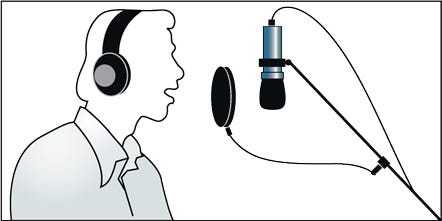
Voice notes. I talk to myself like I'm explaining the idea to a friend over coffee. No pressure to sound polished. Just pure, unfiltered thinking.
Text messages to myself. Something about the casual format removes all the pressure to be perfect.
Handwriting. When I write by hand, my brain slows down. I can't type as fast as I think, so I'm forced to choose words more carefully.
Why this works for introverted minds: You naturally think in complete thoughts before speaking. Voice notes honor this process instead of forcing premature output.
2. Write Backward (Seriously)
I used to start every piece with the introduction. Big mistake.
When you don't know where you're going, every sentence feels forced. You're constantly second-guessing yourself because you're not sure what point you're trying to make.
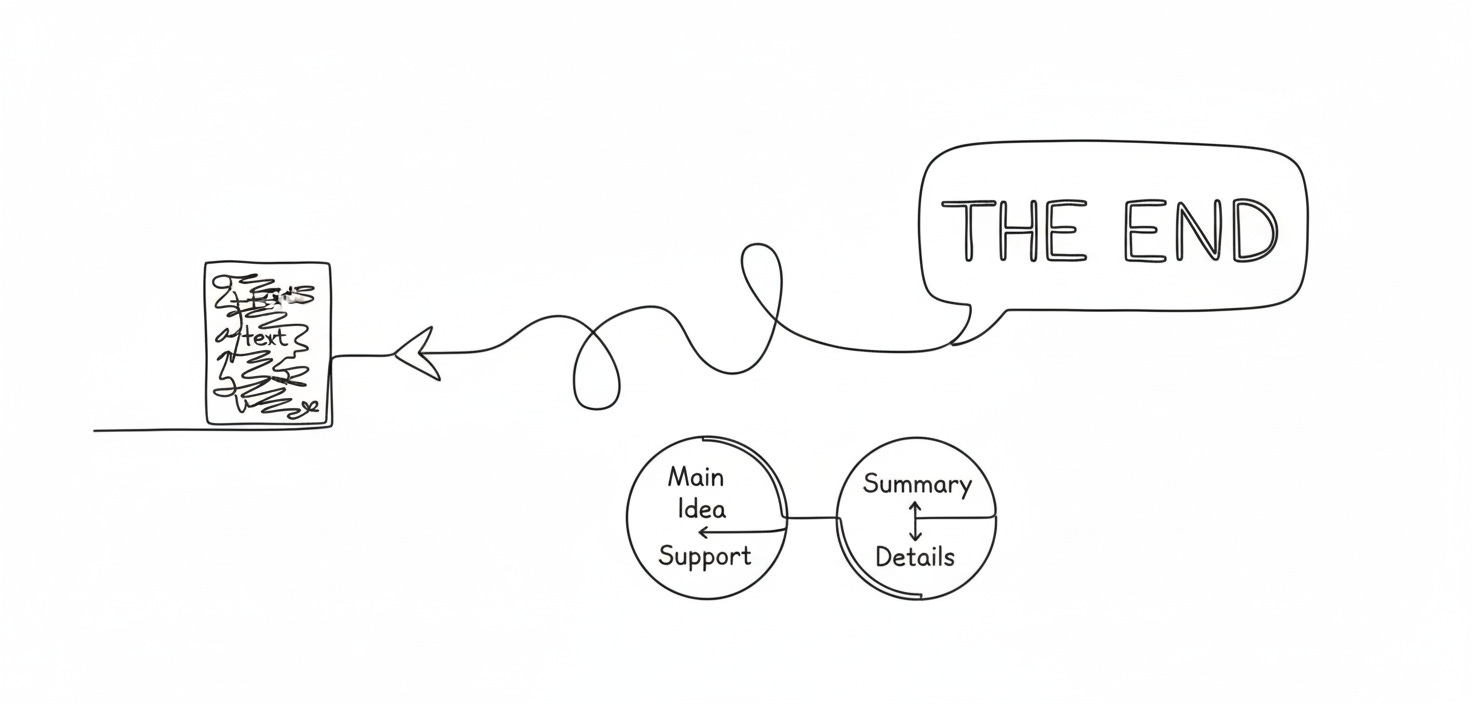
Now, I start with the ending.
I write the final insight, the key takeaway, or the change I want my reader to experience. Then I work backward, asking myself: "What needs to come before this for it to make complete sense?"
Why this works: You're naturally big-picture thinkers. You see the whole system before diving into details, writing backward matches how your brain actually processes information.
3. Think Like a Movie Director
Every piece of writing is a story. Even your LinkedIn post about industry trends. Even your client's email.
The moment I started thinking like a storyteller instead of a "content creator," everything changed.
Here's my simple structure:
Act 1 - The Problem: What conflict are we addressing? What's keeping your reader up at night?
Act 2 - The Journey: What did you learn, try, or discover? This is where the real value lives.
Act 3 - The Solution: How is your reader's world different now?
Psychology insight: Stories activate multiple areas of the brain simultaneously. They don't just inform, they transform how people think about problems.
4. Honor Your Energy Cycles
Your brain isn't the same machine at 9 AM and 9 PM. Yet, most writing advice treats all hours as if they were equal.
I've tracked my energy patterns for two years. Here's what I've found works for most introverted leaders:
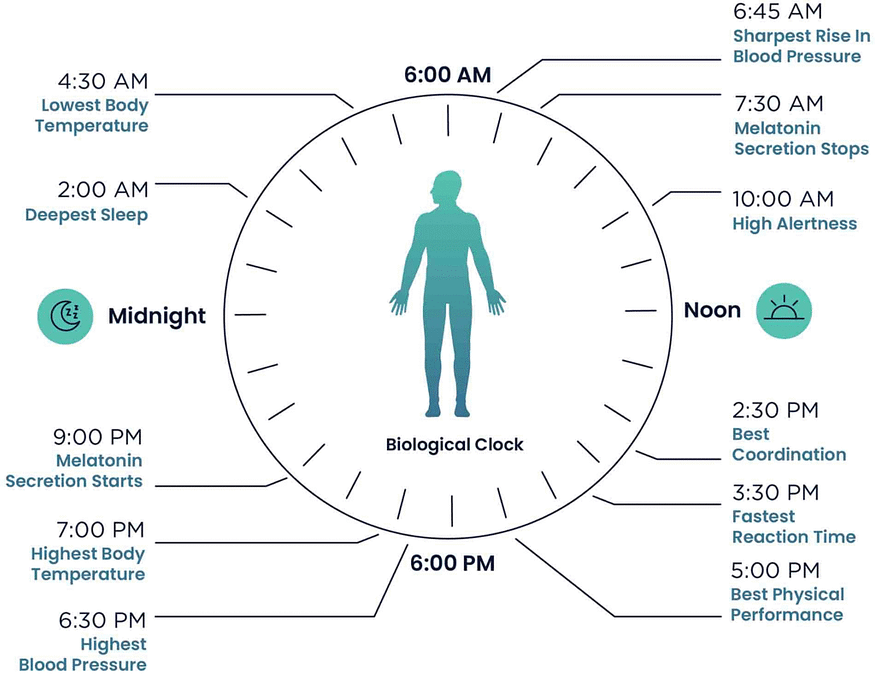
Morning (7-10 AM): Fresh thinking. Perfect for outlining and planning content.
Mid-morning (10 AM-12 PM): Peak mental clarity. Great for writing first drafts.
Afternoon (1-4 PM): Good for research, fact-checking, or lighter writing tasks.
Evening (6-8 PM): Inner critic is awake. Best time for editing and improving.
Ancient wisdom: Even monks structured their days around natural energy rhythms. They understood that forcing creative work during low-energy periods creates resistance.
5. Embrace the "Junk Draft"
Perfectionism is the enemy of progress.
If you try to write the perfect first draft, you'll spend three hours crafting the perfect opening paragraph and never get to the actual content.
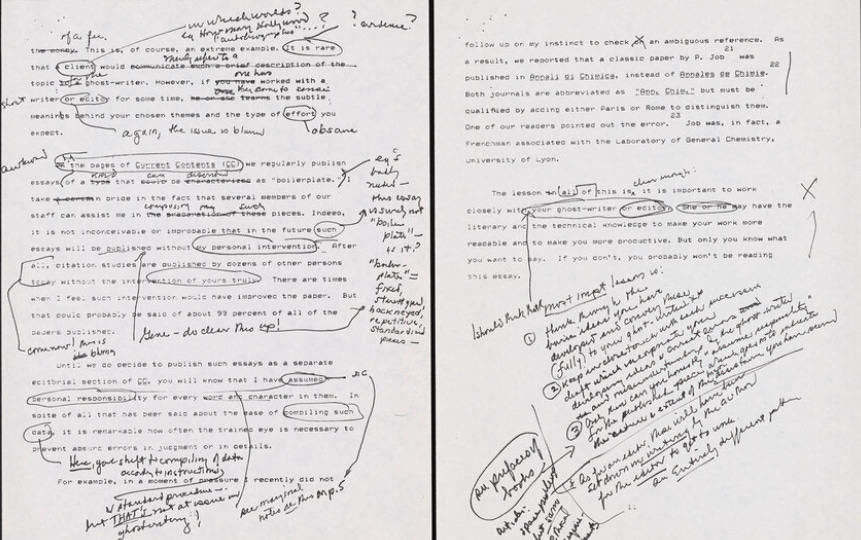
Here's my opposite-of-normal solution: Write a deliberately bad first draft.
Permit yourself to:
Over-explain everything
Use clunky transitions
Repeat yourself
Sound awkward
The goal isn't to create something beautiful. It's to get the raw material onto the page.
Sacred principle: Master craftsmen know you need clay before you can make pottery. Your junk draft is that raw clay.
6. The Screen-Off Writing Trick
This one sounds crazy, but trust me.
Turn off your monitor while you write. Or cover it with a towel. Whatever works.
Now type.
You'll immediately stop obsessing over:
How your sentences look
Whether that word is spelled correctly
If your formatting is perfect
Instead, you'll focus purely on the flow of ideas.
Why this works: Your visual cortex stops competing with your language centers for mental resources. You write more fluidly because you're not constantly editing yourself.
7. Create Distance from Your Work
Ever write something, then read it the next day and think, "Who wrote this?"
That's actually a good sign. It means you're gaining perspective.
But you don't have to wait a day. Here's how to create instant distance:
Change the font. Your brain will treat it like a completely different document.
Print it out. Reading on paper engages different parts of your brain than reading on screen.
Read it somewhere else. Take your laptop to a coffee shop. Change your environment, change your perspective.
Psychology insight: Psychological distance improves judgment. When you create artificial distance from your work, you see it more objectively.
8. The Lazy Talk Test
Want to know if your writing sounds human?
Read it out loud. But not in your "presentation voice."
Read it like you're slouched on your couch, talking to a half-asleep friend.
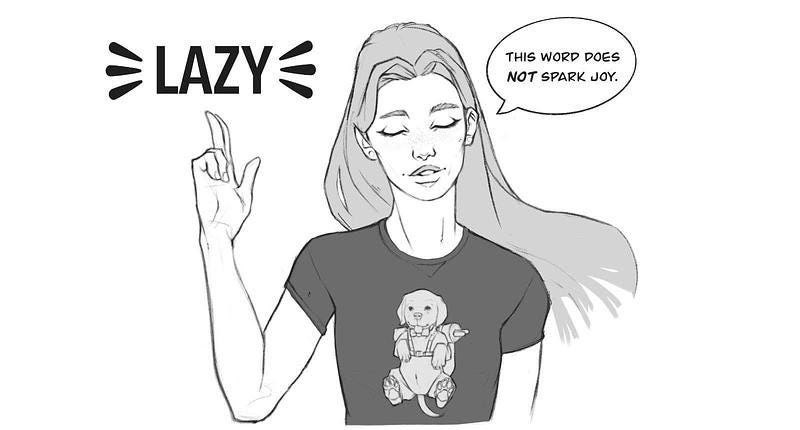
If you stumble over a sentence, it's too complex. If it sounds robotic, it needs more personality. If you feel embarrassed reading it, it's probably too formal.
Why this matters: Your audience isn't sitting in a boardroom taking notes. They're scrolling through LinkedIn while eating lunch or reading your email between meetings.
Write for tired people, not alert ones.
9. The Two-Tab Method
When I'm writing, my brain generates about 47 different ideas per minute.
If I try to include all of them in my main draft, it becomes a scattered mess.
So now I use two browser tabs:
Tab 1: My actual draft
Tab 2: My "idea parking lot"
Every time a side thought pops into my head, I quickly switch to Tab 2 and dump it there. Then I return to my main draft with a clear head.
Sacred wisdom: Buddhist teachers speak of the "monkey mind" that jumps from thought to thought. The goal isn't to stop the jumping, but to create space for it without losing focus.
The Real Truth About Writing for Introverted Leaders
You don't need to become the next Hemingway. You just need to stop treating writing like a mysterious art form that requires divine inspiration.
It's a skill. A process. A series of decisions you can turn into a system.
These methods work because they align with your natural strengths rather than fighting against them.
Your introversion isn't a writing obstacle. It's a competitive advantage.
While others produce quick reactions, you offer thoughtful responses. While they chase trends, you see timeless patterns. While they speak first and think later, you bring depth to everything you share.
The world doesn't need more noise. It needs more signal. Your signal.
You already have everything you need. The insights. The experience. The unique perspective that only you can offer.
You just need methods that help you get it out of your head and onto the page without losing your sanity in the process.
Ready to stop fighting with words?
Join Silent Signals - my weekly newsletter curated specifically for quiet leaders who want to build authority online without burning out.
Just practical strategies to help you share your ideas with the world - in a way that feels natural, not performative.